


| SNo. | Scientific Name | Locality | Habitat | Basis of Record | Description | Recorded By | Record Number | Island | Source | Date |
|---|---|---|---|---|---|---|---|---|---|---|
| 1 | Delissea rhytidosperma | Locality redacted. Contact Bishop Museum Botany Department for details | Preserved_Specimen | Herbst, D.R. | 2818 | Kauai | BISH | 1972-10-07 | ||
| 2 | Delissea rhytidosperma | Locality redacted. Contact Bishop Museum Botany Department for details | Preserved_Specimen | Mann, H. | 576 | Kauai | BISH | 1864-01-01 | ||
| 3 | Delissea rhytidosperma | Locality redacted. Contact Bishop Museum Botany Department for details | Preserved_Specimen | 1 meter shrub. In fruit and flower. | Edmonds, M. | 210 | Kauai | BISH | 2014-05-19 | |
| 4 | Delissea rhytidosperma | Locality redacted. Contact Bishop Museum Botany Department for details | Preserved_Specimen | Heller, A.A. | 2487 | Kauai | BISH | 1895-10-19 | ||
| 5 | Delissea rhytidosperma | Locality redacted. Contact Bishop Museum Botany Department for details | Preserved_Specimen | Heller, A.A. | 2487 | Kauai | BISH | 1895-10-19 | ||
| 6 | Delissea rhytidosperma | Locality redacted. Contact Bishop Museum Botany Department for details | Preserved_Specimen | Wawra, H. | 2026 | Kauai | BISH | 1868-01-01 | ||
| 7 | Delissea rhytidosperma | Locality redacted. Contact Bishop Museum Botany Department for details | Preserved_Specimen | Perlman, S. | Kauai | BISH | 1977-09-08 | |||
| 8 | Delissea rhytidosperma | Locality redacted. Contact Bishop Museum Botany Department for details | Preserved_Specimen | Heller, A.A. | 2487 | Kauai | BISH | 1895-10-19 | ||
| 9 | Delissea rhytidosperma | Locality redacted. Contact Bishop Museum Botany Department for details | Preserved_Specimen | Heller, A.A. | 2487 | Kauai | BISH | 1895-10-19 | ||
| 10 | Delissea rhytidosperma | Locality redacted. Contact Bishop Museum Botany Department for details | Preserved_Specimen | Forbes, C.N. | 760 | Kauai | BISH | 1916-11-03 | ||
| 11 | Delissea rhytidosperma | Locality redacted. Contact Bishop Museum Botany Department for details | Preserved_Specimen | Mann, H. | 576 | Kauai | BISH | 1864-01-01 | ||
| 12 | Delissea rhytidosperma | Locality redacted. Contact Bishop Museum Botany Department for details | Preserved_Specimen | Wawra, H. | Kauai | BISH | 1869-12-01 | |||
| 13 | Delissea rhytidosperma | Locality redacted. Contact Bishop Museum Botany Department for details | Preserved_Specimen | Mann, H. | Kauai | BISH | 1854-01-01 | |||
| 14 | Delissea rhytidosperma | Locality redacted. Contact Bishop Museum Botany Department for details | Preserved_Specimen | Kauai | BISH | |||||
| 15 | Delissea rhytidosperma | Locality redacted. Contact Bishop Museum Botany Department for details | Preserved_Specimen | Herbst, D.R. | 2809 | Kauai | BISH | 1972-10-07 | ||
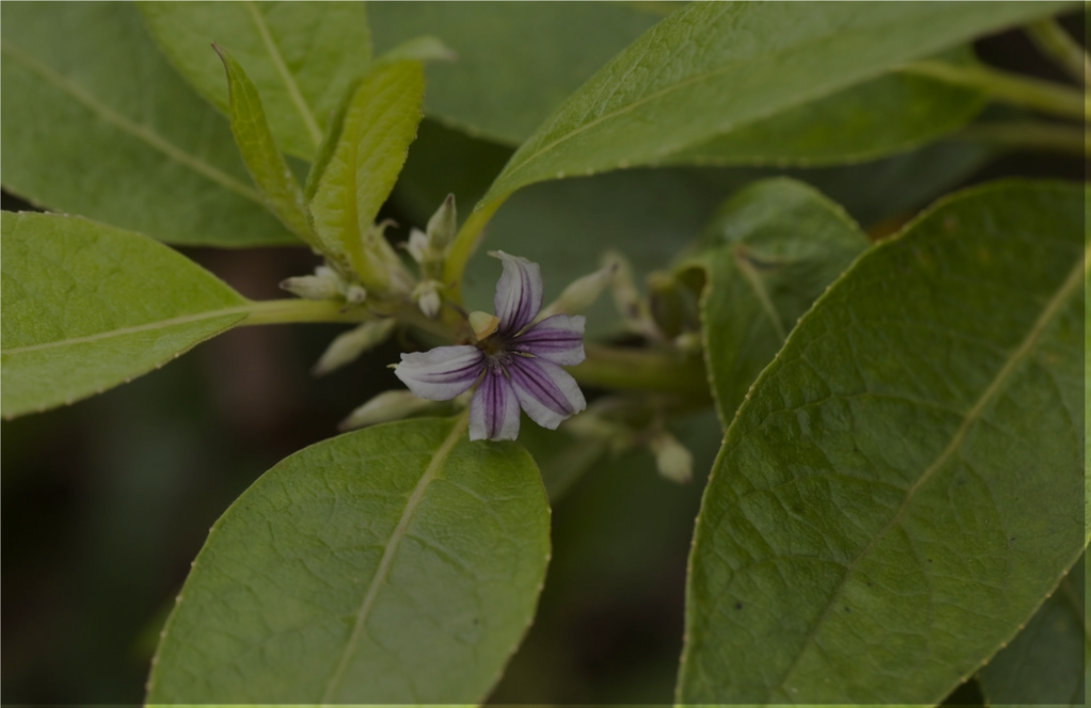
| 16 | Delissea rhytidosperma | Locality redacted. Contact Bishop Museum Botany Department for details | Cultivated area. | Preserved_Specimen | Perennial herb, stem single, ca. 1 m tall, 1.5 cm diam., latex white, lvs. clustered distally, shiny dark green above. Infl. axillary, flrs. pale green fading purplish-green, tube curved downward. Fruits green, ripening purple-black. | Lorence, D.H. | 10666 | Kauai | BISH | 2017-01-12 |
| 17 | Delissea rhytidosperma | Locality redacted. Contact Bishop Museum Botany Department for details | Preserved_Specimen | Herbst, D.R. | 2808 | Kauai | BISH | 1972-10-07 | ||
| 18 | Delissea rhytidosperma | Locality redacted. Contact Bishop Museum Botany Department for details | Moist lower forest. | Preserved_Specimen | Shrub 2-3 ft tall, berries black. | St.John, H. | 13945 | Kauai | BISH | 1934-01-01 |
| 19 | Delissea rhytidosperma | Locality redacted. Contact Bishop Museum Botany Department for details | Cultivated area. | Preserved_Specimen | Single stemmed perennial herbs, branching at ca. 1 m, tops broken by wind, fallen branches collected. Stems green, sap white. Lvs. Glossy green on both surfaces. Flowers w green ovary, corolla green purple tinged post anthesis. Ripe fruits dark purple. Origin F1 of 050183, Kauai, Mt. Haupu. NTBG acc. #130374.004, 005. | Lorence, D.H. | 10701 | Kauai | BISH | 2017-07-20 |
| 20 | Delissea rhytidosperma | Locality redacted. Contact Bishop Museum Botany Department for details | Cultivated area. | Preserved_Specimen | Single-stemmed herbaceous perennial, latex white, stem ca. 1 meter long, 1.5-2 cm. diameter, brown, base horizontal, distally erect with densely clustered leaves, shiny green on bot surfaces. Infl. Axillary, ovary and calyx green, corolla green fading purple-pink. Fruits globose, ripening dark purple. | Lorence, D.H. | 10687 | Kauai | BISH | 2017-01-12 |
| 21 | Delissea rhytidosperma | Locality redacted. Contact Bishop Museum Botany Department for details | Cultivated; potted plant | Preserved_Specimen | 2.5 ft tall; stems woody; leaves dull pale green above with various red mottling (plant appears diseased or to be suffering from some nutritional deficiency); mid & secondary veins recessed, below glossy with whitish green raised mid & secondary veins; flowers green aging pale green w/ faint reddish color | Flynn, T.W. | 9182 | Kauai | BISH | 2021-04-14 |
| 22 | Delissea rhytidosperma | Locality redacted. Contact Bishop Museum Botany Department for details | Moist forest. | Preserved_Specimen | Fls pale green, fruits black, stamens purplish gray, bush 7 ft tall. | St.John, H. | 13645 | Kauai | BISH | 1933-12-25 |
| 23 | Delissea rhytidosperma | Locality redacted. Contact Bishop Museum Botany Department for details | Cultivated | Preserved_Specimen | Potted plant 45 inches tall; leaves glossy above pale green, very glossy below with raised whitish midvein; flower pale green with faint reddish ting along petal edges; immatuer fruit glossy pale green with darker green lines running from poles of fruit, mature fruit +/- glossy dark purple black; sap white; | Flynn, T.W. | 9183 | Kauai | BISH | 2021-04-14 |
| 24 | Delissea rhytidosperma | Locality redacted. Contact Bishop Museum Botany Department for details | Preserved_Specimen | Branched shrub, 0.7m. Calyx green; corolla greenish-white, turning purplish with age, especially the upper half; staminal column green, the anthers purple. Fruit wine-purple. Latex white. | Lammers, T.G. | 5360 | Kauai | BISH | 1983-08-29 |
Lorem ipsum dolor sit amet, consectetur adipiscing elit, sed do eiusmod tempor incididunt ut labore et dolore magna aliqua. Ut enim ad minim veniam, quis nostrud exercitation ullamco laboris nisi ut aliquip ex ea commodo consequat. Duis aute irure dolor in reprehenderit in voluptate velit esse cillum dolore eu fugiat nulla pariatur. Excepteur sint occaecat cupidatat non proident, sunt in culpa qui officia deserunt mollit anim id est laborum.
Lorem ipsum dolor sit amet, consectetur adipiscing elit, sed do eiusmod tempor incididunt ut labore et dolore magna aliqua. Ut enim ad minim veniam, quis nostrud exercitation ullamco laboris nisi ut aliquip ex ea commodo consequat. Duis aute irure dolor in reprehenderit in voluptate velit esse cillum dolore eu fugiat nulla pariatur. Excepteur sint occaecat cupidatat non proident, sunt in culpa qui officia deserunt mollit anim id est laborum.
Lorem ipsum dolor sit amet, consectetur adipiscing elit, sed do eiusmod tempor incididunt ut labore et dolore magna aliqua. Ut enim ad minim veniam, quis nostrud exercitation ullamco laboris nisi ut aliquip ex ea commodo consequat. Duis aute irure dolor in reprehenderit in voluptate velit esse cillum dolore eu fugiat nulla pariatur. Excepteur sint occaecat cupidatat non proident, sunt in culpa qui officia deserunt mollit anim id est laborum.
Lorem ipsum dolor sit amet, consectetur adipiscing elit, sed do eiusmod tempor incididunt ut labore et dolore magna aliqua. Ut enim ad minim veniam, quis nostrud exercitation ullamco laboris nisi ut aliquip ex ea commodo consequat. Duis aute irure dolor in reprehenderit in voluptate velit esse cillum dolore eu fugiat nulla pariatur. Excepteur sint occaecat cupidatat non proident, sunt in culpa qui officia deserunt mollit anim id est laborum.
Lorem ipsum dolor sit amet, consectetur adipiscing elit, sed do eiusmod tempor incididunt ut labore et dolore magna aliqua. Ut enim ad minim veniam, quis nostrud exercitation ullamco laboris nisi ut aliquip ex ea commodo consequat. Duis aute irure dolor in reprehenderit in voluptate velit esse cillum dolore eu fugiat nulla pariatur. Excepteur sint occaecat cupidatat non proident, sunt in culpa qui officia deserunt mollit anim id est laborum.
Lorem ipsum dolor sit amet, consectetur adipiscing elit, sed do eiusmod tempor incididunt ut labore et dolore magna aliqua. Ut enim ad minim veniam, quis nostrud exercitation ullamco laboris nisi ut aliquip ex ea commodo consequat. Duis aute irure dolor in reprehenderit in voluptate velit esse cillum dolore eu fugiat nulla pariatur. Excepteur sint occaecat cupidatat non proident, sunt in culpa qui officia deserunt mollit anim id est laborum.
Thank you for your interest in submitting an image of
Select your image and leave a brief description of your photo below.
